The whole becomes greater than the sum of its parts
May Reverse Cognitive Decline Because it stimulates new synaptic connections, Dihexa holds promise for conditions like: Alzheimers disease Mild cognitive impairment (MCI) Age-related memory decline Post-stroke cognitive impairment 3
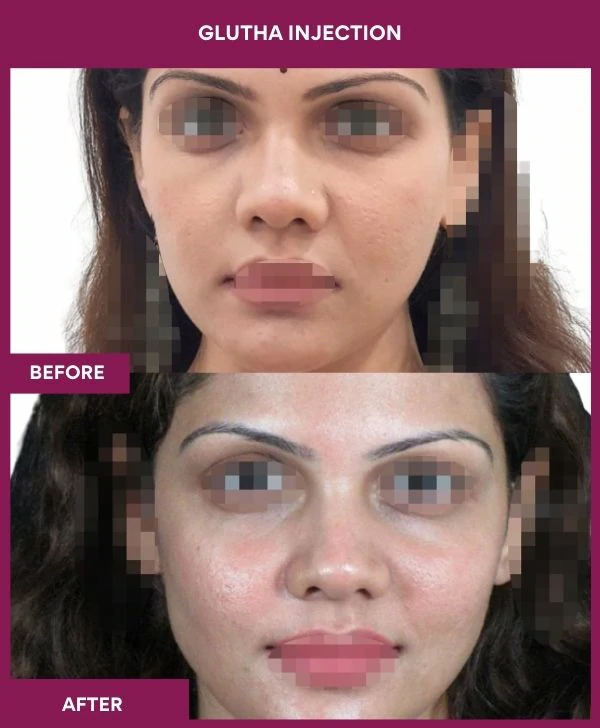
Curious if glutathione could support your fertility
Its founder and team have been engaged in the research and production of peptides for more than ten years
Stay hydrated and maintain consistent meal timing

Decision Framework: Which to Choose The choice between BPC-157 and GHK-Cu depends entirely on the research question: Choose BPC-157 if: Research focuses on tissue repair, angiogenesis, or growth factor signaling Studying gastrointestinal, vascular, or musculoskeletal tissue contexts Recovery research is the primary application Research builds on the substantial BPC-157 preclinical research base Choose GHK-Cu if: Research focuses on gene expression modulation Studying skin biology, collagen synthesis, or dermatological research Anti-aging research is the primary application Research benefits from the largest published research base in the catalog Choose both (or combination formulations) if: Research includes both tissue repair and gene expression mechanisms Multi-mechanism combination research is the goal Skin biology research with tissue-repair components benefits from both pathways The GLOW Blend or KLOW Blend formulations match the research question Quality Considerations Both peptides share the same quality framework: Manufactured via Solid-Phase Peptide Synthesis with synthetic amino acids No animal-derived materials Independent third-party testing by Janoshik Analytical 99% HPLC purity per peptide Mass spectrometry identity confirmation Verifiable Janoshik unique keys For complete quality framework coverage, see How to Verify Peptide Quality and How to Read a Janoshik COA